Living Room Wall Molding Models and Decoration
A major change in living room decor doesn't always require tearing down walls, replacing furniture, or expensive renovations. Sometimes, a single surface, designed with the right proportions, can change the character of the entire space. That's why molding applications have become much more popular in living rooms in recent years.
It frames an empty wall, makes the TV unit look more prominent, adds depth to the back of the sofa, and brings together classic details and modern lines. Moreover, with the right model, it's possible to achieve both a simple and elegant result.
Wall molding is one of the most practical ways to create an architectural accent in a living room. However, if the model, size, color, and placement are not well thought out, a cluttered look can result instead of the desired elegance. In this article, you will find the most preferred molding models for living rooms, which styles they are best suited for, and the details to consider before installation.

Why are wall moldings so popular in living rooms?
The living room is one of the most visible and frequently used areas of the house. Therefore, even a small change in the decor can affect the overall atmosphere. This is where molding applications come into play.
A plain painted wall looks clean and simple, but sometimes it feels incomplete. Large, empty surfaces, especially in spacious rooms, can make the space feel cold. Moldings fill this void, adding a measured movement to the wall. They also create a natural frame for pieces like paintings, mirrors, sconces, or televisions.
Here are the main reasons why the bar is so popular in salons:
It adds character to the space. The wall ceases to be merely a background and becomes part of the decoration.
The application options are extensive. A classic, modern, minimalist, or luxurious look can be achieved.
It adapts to different budgets. Simple or more detailed solutions can be achieved depending on the choice of materials and workmanship.
It easily matches other furniture. It creates a cohesive look with sofas, consoles, dining tables, and TV units.
It creates a powerful effect when combined with color. When painted the same color, it looks elegant; when used with a contrasting color, it looks bold.
Thanks to these features, slatted walls are frequently used not only in classic homes but also in modern and minimalist living rooms.
Which living room wall molding models are suitable for which styles?
Not every molding style will create the same effect in every living room. When choosing a model, the size of the living room, ceiling height, style of furniture, and the intended use of the wall should all be considered. In a small living room, heavy and dense patterns can make the space feel smaller. In a large living room, very thin and sparse moldings may be ineffective.
Classic frame strip model
The classic frame look is one of the most well-known applications in living rooms. Rectangular or square panels are created on the wall. These panels are usually placed symmetrically and painted to match the wall's color.
This model works particularly well in the following areas:
On the wall behind the seat
In the background of the dining area
Around the console and mirror
On a striking surface at the entrance to the hall
Classic frame slats look calm and elegant when used with light colors. Cream, off-white, beige, and light gray tones are frequently preferred in this style. If a stronger effect is desired, anthracite, olive green, navy blue, or brown tones can be considered.
In this model, the key to success lies in the measurements. If the panels are too thin, they can get lost; if they are too thick, they can make the wall look heavy. The panel spacing should also be even. When symmetry is disrupted, the decoration doesn't look professional.
Modern vertical slat design
Vertical batten applications have become quite popular in modern living rooms in recent years. Thin and long battens are placed vertically along the wall. This application creates the effect of making the ceiling appear higher than it is.
Vertical lines create a sense of spaciousness, especially in rooms with low ceilings. They are suitable for behind the television, around the fireplace, or for a single accent wall. When vertical slats are used at close intervals, they create a rhythmic and contemporary look.
Modern vertical models typically feature the following colors:
Matte white
Sand beige
Light gray
Mink
Black
Wood tones
Wood-look vertical slats create a warmer atmosphere. White or light gray vertical slats, on the other hand, look simpler, more spacious, and modern.
Minimalist thin frame model
Minimalist decor doesn't require many details. Thin moldings work very well in this style of living room. Instead of covering the entire wall, a specific area is framed. The moldings are painted the same color as the wall and only stand out through their shadow effect.
This design looks very balanced in living rooms furnished with simple furniture. It is particularly well-suited to light-colored linen sofas, plain rugs, simple coffee tables, and a minimal number of accessories.
The aim of minimalist moldings is not ostentation, but to create a subtle depth . Therefore, instead of highly ornate profiles, straight, thin, and sharply defined moldings are preferred.
Luxury-looking wide panel model
For those seeking a stronger decorative effect, wide panel molding models stand out. In this model, the moldings are used more prominently, dividing the wall into large panels. Sometimes, wallpaper, marble-patterned panels, or a different paint tone are preferred within the moldings.
Large panel designs look best in large living rooms. They create a strong atmosphere, especially in homes with high ceilings, large seating areas, and living rooms combined with dining rooms.
In this style, colors such as gold, bronze, dark green, anthracite, and warm gray stand out. Lighting also enhances the effect. Sconces placed between the slats or soft light from the ceiling accentuate the play of shadows between the panels.

The use of slats in different areas of the hall
Moldings aren't just for decorating empty walls. They are much more effective when placed according to the different functions of the room. Which wall they are applied to is just as important as the style itself.
seat back wall
The back of a sofa is one of the safest areas for applying slats. Because it's one of the focal points of the living room, adding movement to the wall makes the entire space look more complete.
Three different approaches can be used in this field:
A single large panel that matches the width of the seat.
Several symmetrical frames behind the seat.
A vertical strip arrangement covering the entire wall.
If a picture frame or mirror is to be used in the seatback trim, the panel dimensions should be planned accordingly. Otherwise, the accessories may clash with the trim.
The wall behind the television
Balance is crucial when using trim strips on a television wall, as the television itself is a strong focal point. Overly detailed trim strips can create a visually tiring effect around the screen.
Simpler solutions work well in this area. Thin vertical slats, wide flat panels, or clean frames surrounding the television are preferable. A dark background makes the television appear more cohesive, while light colors make the space feel more open.
Cable management, power outlet location, and TV unit dimensions must be finalized before installation. Subsequent changes may disrupt the slat arrangement.
Dining area wall
If there is a dining table in the living room, slatted panels can be used to visually separate this area. Panels on the wall behind the table define the dining area without isolating it from the rest of the living room.
In this area, the use of moldings along with mirrors, wall sconces, and consoles looks quite elegant. Symmetrical panels, in particular, give the dining area a more organized and inviting feel.
Hall entrance wall
In some living rooms, the first wall visible upon entering is of great importance in terms of decoration. A simple molding on this wall creates a strong first impression the moment someone enters the house.
Instead of cluttered designs on the entrance wall, thin frames, half-wall moldings, or vertical lines can be preferred. Adding a small mirror or an elegant sconce will make the result look more complete.
Material selection affects appearance and durability
In molding applications, not only the design but also the material determines the result. Various options are available on the market. Each material differs in appearance, durability, and ease of application.
Polyurethane moldings are a popular choice among living room wall molding options due to their lightweight structure and ease of application. With a wide range of decorative wall molding options, from classic profiles to modern straight lines, they adapt to living rooms of various styles.
When choosing materials, it's not enough to just look at the product price. Cutting quality, adhesion to the wall, paint compatibility, and workmanship must also be considered. A seemingly cheap material can lead to a more costly result if poorly applied.
Color choice completely changes the atmosphere of the living room
The color of the slats is just as important as their style. The same slat style can create a completely different effect in a different color. Therefore, color selection should be considered in conjunction with furniture, flooring, curtains, and lighting.
Moldings the same color as the wall
The most elegant and risk-free option is to paint the moldings the same color as the wall. This method creates shadow and depth on the wall without being visually tiring. It works well in small rooms and with simple decorations.
Using trim in the same color is ideal in the following situations:
If the living room is small
If the furniture is colorful
If you want the wall not to attract too much attention
If a minimalist look is desired
Off-white, beige, grey, and light grey tones are particularly successful in this application.
Contrasting colored strips
For a more striking look, the moldings can be used in a different color than the wall. Black moldings on a white wall, light-colored moldings on a dark wall, or wood tones on a neutral wall create a powerful impact.
Contrasting colors are more easily used in large rooms. In small rooms, very strong contrasts can divide the space. Therefore, moderation is needed when applying contrast.
Dark-colored slatted walls
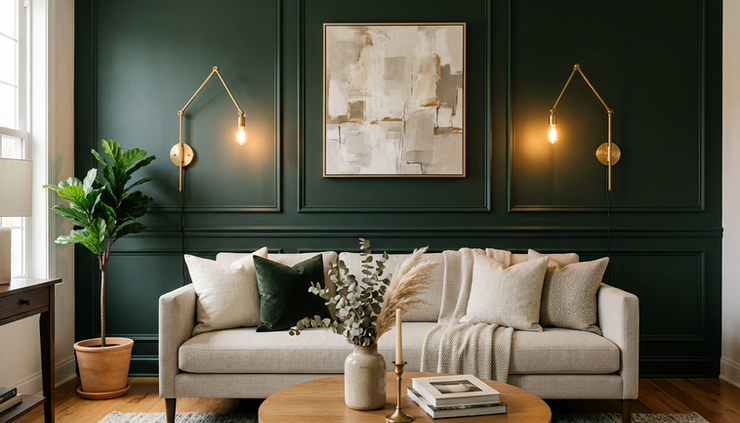
Colors like anthracite, navy blue, forest green, and dark brown create a luxurious feel on slatted walls. They create a striking focal point, especially when used on just one wall of the living room.
Lighting becomes even more important with darker colors. In rooms with little natural light, painting all the walls dark can make the space feel cramped. In this case, it's better to choose a dark color for only one surface.
Errors in measurement and proportion reduce the effectiveness of the strip
For a professional-looking molding installation, accurate measurements are essential. Even the most beautiful design will look uneven if applied with incorrect proportions. Therefore, before starting work, the width and height of the wall, the locations of electrical outlets, furniture dimensions, and the positions of doors and windows should be determined.
The key points to consider are as follows:
The gaps between the panels must be equal.
The moldings should not be placed too close to the ceiling, baseboards, or corners.
Furniture height should be taken into account.
Television, painting, and wall sconce placement should be planned in advance.
Too many panels should not be used on very narrow walls.
When designing moldings, it's helpful to visualize the wall on paper or in a simple drawing program. This allows you to identify any proportional errors before installation. If working with a professional, using a measured sketch will improve the quality of the result.
A well-executed molding doesn't just look like decoration on the wall. It corrects the proportions of the space, connects with the furniture, and makes the living room look more organized.
Harmonious decoration ideas for modern living rooms
A slatted wall is a powerful detail on its own. Therefore, the surrounding decor shouldn't compete with it. With the right furniture and accessory choices, the slats can look even more elegant.
Consider the lighting in conjunction with the frame
The decorative moldings become more prominent with light. Instead of direct light from the ceiling, wall sconces, floor lamps, or concealed lights enhance the shadow effect. Sconces placed on either side of the panels, in particular, provide a classic and balanced look.
In modern living rooms, warm, yellow-toned light creates a softer atmosphere. Too much white light can make the shadow texture of the slats appear harsh.
Reduce the number of accessories
Placing too many objects in front of a panelled wall creates clutter. A large painting, a simple mirror, or a single sculptural object might suffice. If the wall is already dynamic with panels, accessories should be chosen more subdued.
A large, simple painting looks nice on a wall with slatted backs. If the television has slats, there's often no need for additional accessories.
Choose simple lines for curtains and rugs
Slatted walls create a geometric pattern. Therefore, using very dense patterns in curtains and carpets can make the space feel cluttered. Plain fabrics, subtly patterned carpets, and natural tones make the slats look more elegant.
Linen curtains, plain blackout curtains, wool-textured rugs, and natural wood coffee tables all complement this style.
Choosing the right model for small and large rooms
The size of the room directly influences the choice of molding style. The same style will be perceived differently in small and large spaces.
In small rooms, simple, thin, and light-colored moldings work better. Moldings painted the same color as the wall add depth without dividing the space. Vertical lines make the ceiling appear higher. Avoid very thick profiles, dense panels, and intense contrasts.
In large rooms, wider panels, darker colors, and prominent profiles can be used comfortably. Large walls can appear bare when left as a single piece. Therefore, symmetrical panel arrangements in large rooms make the space look more organized.
Ceiling height also influences model selection. Long vertical panels look very elegant in rooms with high ceilings. In rooms with low ceilings, it's better to enhance the vertical effect rather than creating too many horizontal sections.
Details to be planned before implementation
Before implementing the bar setting, several fundamental decisions must be made. If these decisions are not clear, the process will be prolonged, and the outcome may not meet expectations.
The following questions need to be answered during the planning phase:
Which wall will the strip be applied to?
Will the entire wall be used, or just a specific area?
Will the model be classic or modern?
Will the moldings be painted the same color as the wall?
Will a television, painting, mirror, or wall sconce be used?
Are the sockets and switches aligned with the wiring?
Will the furniture arrangement change after the installation?
These questions simplify both model selection and sizing. The placement of sockets and switches, in particular, can pose problems during installation. A socket placed exactly in the middle of the frame can disrupt the visual aesthetics. Therefore, electrical points should be considered from the outset.
The painting stage also requires attention. After the molding is applied, the joints should be smoothed with filler, the surface sanded, and then painted. If this process is done carelessly, gaps will be visible between the molding and the wall.
Which model looks more timeless?
Trends in decoration change, but some choices remain relevant for a long time. To achieve a timeless look with molding, avoid excessive ornamentation. Simple frames, balanced vertical lines, and profiles painted the same color as the wall are easier to use for many years.
For a timeless salon, the following approach is safe:
Simple symmetrical panels on the main wall.
Light or medium shades of matte paint
Thin or medium thickness profile
A small number of high-quality accessories.
A natural color palette that complements the furniture.
Such an arrangement maintains its harmony even if the furniture is changed. While very bold colors and overly detailed profiles may seem impressive at first, they can become tiring over time.
When using moldings in living room decoration, the best results are achieved when the design harmonizes with the space. In a small living room, thin, light-colored lines create a sense of spaciousness. In a large living room, wide panels create a stronger atmosphere. In modern decor, straight lines stand out, while in a classic living room, framed and symmetrical designs are preferred.
When the right materials, precise measurements, balanced colors, and clean workmanship come together, a slatted wall becomes the most eye-catching piece in the living room. The best approach is to consider the wall, furniture, and lighting together without rushing into a decision. This way, the decoration not only looks stylish but also achieves a cohesive whole that will be enjoyed for a long time.